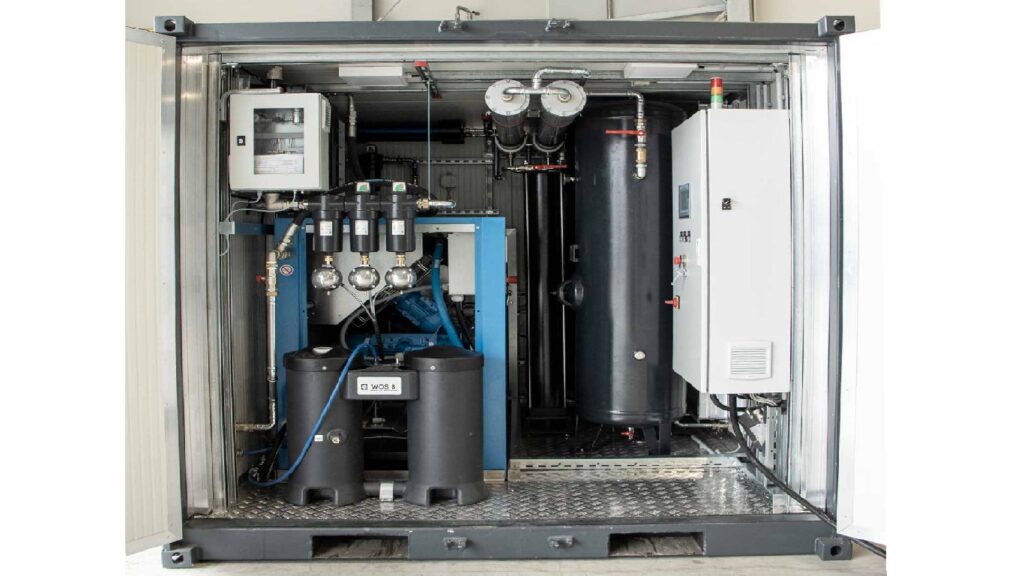


In today’s industrial environment, people frequently refer to compressed air as the “fourth utility.” However, unlike electricity or water, the quality of your air is completely dependent on your in-house treatment system. Without a definitive standard, the term “clean air” can be quite subjective. This is why ISO 8573-1:2010 serves as the essential measure for clients of National Filters Pty Ltd.
Air compressors draw in airborne contaminants from the surrounding atmosphere. When this ambient air is compressed to 7 bar, the concentration of contaminants like dust, moisture, and oil can increase by up to eight times. This guide explains the international purity classes to help you protect your downstream equipment and ensure regulatory compliance.
Understanding the Three Types of Air Contamination
The ISO 8573-1:2010 standard categorises air contaminants into three main groups. To achieve a specific purity rating, your inline filtration system must address all three:
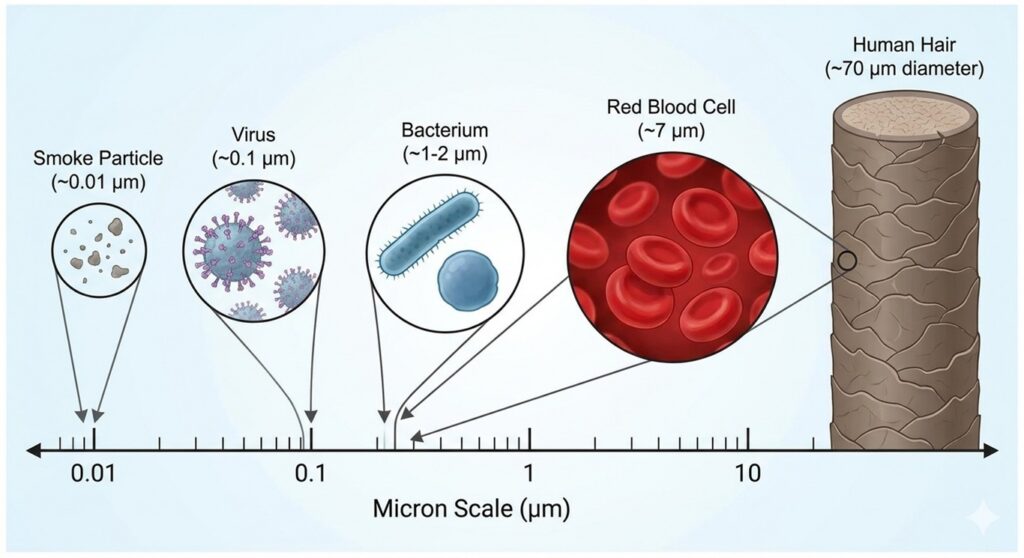
- Solid Particulates: Dirt, dust, microbes, rust and pipe scale that cause abrasive wear in pneumatic tools and block sensitive orifices.
- Water (Moisture): Water vapour and liquid condensate that lead to pipe corrosion, frozen lines, and microbial growth in food grade environments.
- Oil: Both liquid oil and oil vapor. Even “oil free” compressors can pull in hydrocarbons from the environment, making high efficiency coalescing and activated carbon filters necessary.
Decoding the ISO 8573-1:2010 [A:B:C] Classification
Air quality is made up of a three digit code (e.g., ISO 8573-1:2010 [1:2:1]), where each digit indicates a Purity Class:
- A: Purity class for Solid Particles
- B: Purity class for Humidity and Liquid Water
- C: Purity class for Total Oil
The Purity Classes Table
| Class | Particles (per m³ @ 0.1–0.5µm) | Water (Pressure Dew Point) | Total Oil (mg/m³) |
| 0 | As specified by user (stricter than Class 1) | As specified by user (Less than Class 1) | As specified by user (Less than Class 1) |
| 1 | ≤ 20,000 | ≤ -70°C | ≤ 0.01 |
| 2 | ≤ 400,000 | ≤ -40°C | ≤ 0.1 |
| 3 | – | ≤ -20°C | ≤ 1.0 |
| 4 | – | ≤ +3°C | ≤ 5.0 |
Industry Applications: Which Class Do You Need?
Choosing the wrong class can result in either severe product spoilage or steep energy costs. For instance, here are some industry examples and their required classes:
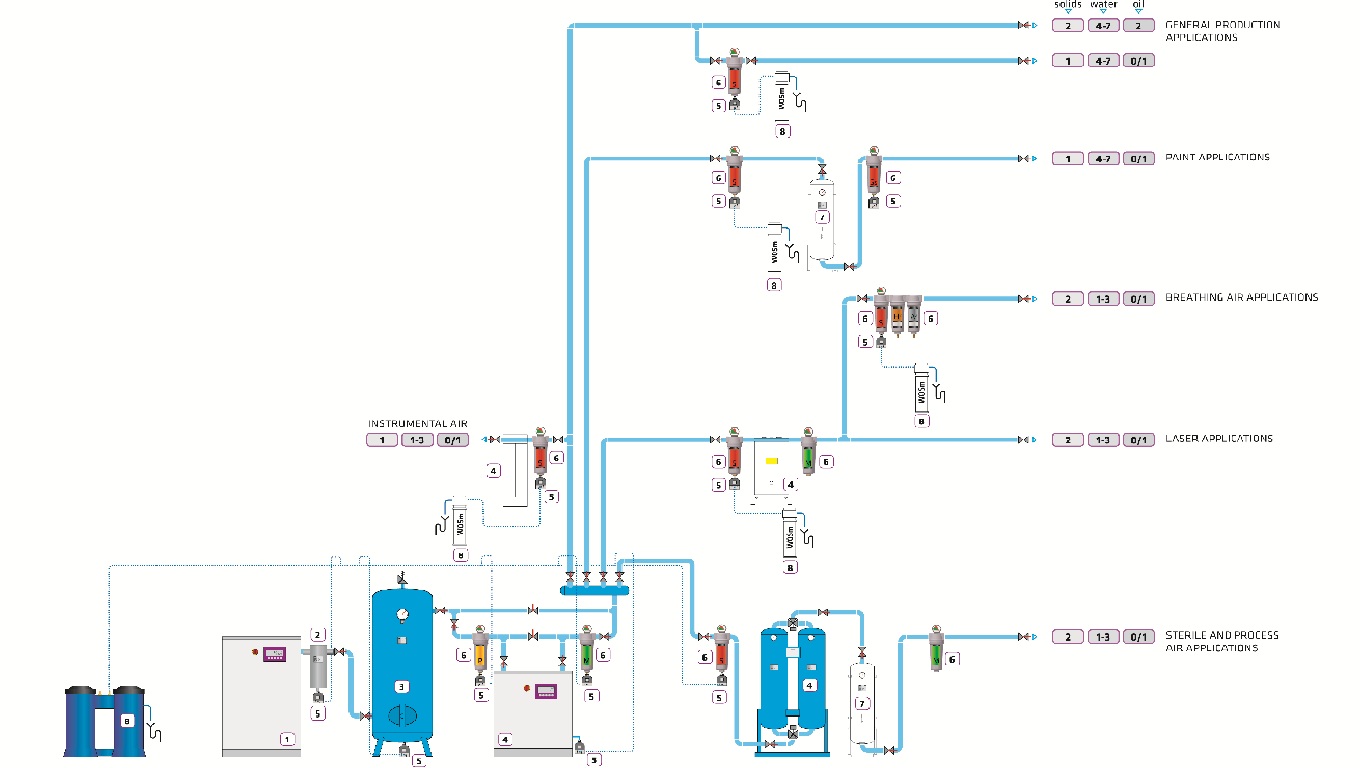
- Food & Beverage (Class 1:2:1 or 1:3:1): Requires high-level moisture removal and oil-free filtration to prevent bacterial growth and unwanted “off-flavors” in packaging.
- Pharmaceuticals (Class 1:2:1): Absolute sterility is essential, necessitating the use of sterile filters.
- General Manufacturing (Class 2:4:2): Standard for protecting heavy-duty pneumatic cylinders and air tools from early wear.
- Precision Electronics (Class 1:2:1): Shields circuit board production from microscopic dust particles.
How to Achieve and Maintain Compliance
Achieving these standards requires a united “treatment train.” Thus, consider the following:
- Filtration Selection: Implement a combination of bulk liquid separators, general purpose filters, high efficiency coalescing elements, and activated carbon elements.
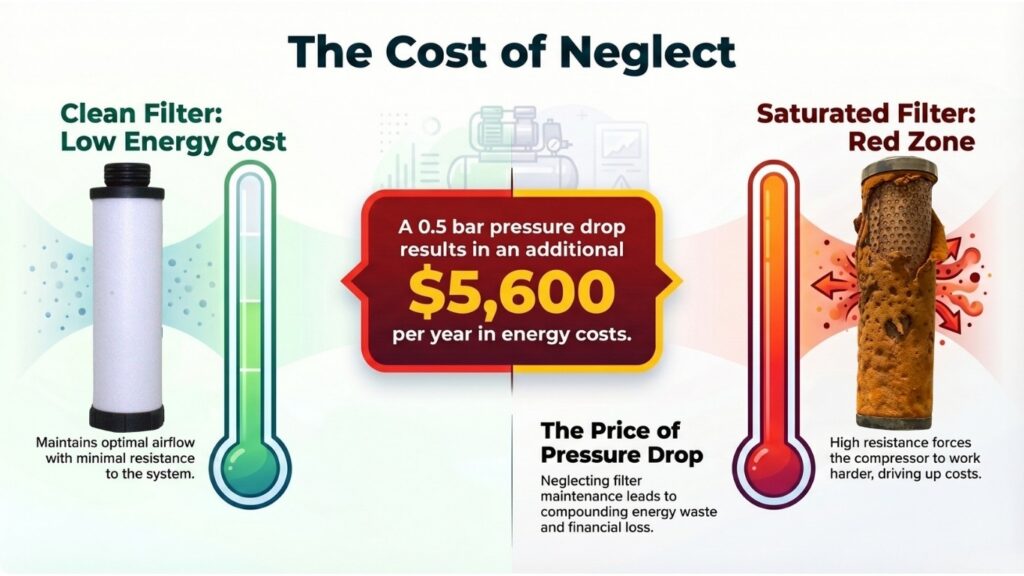
- Element Maintenance: Filter elements are consumables. As they become saturated, pressure drops increase, leading to higher electricity costs. National Filters recommends replacement every 12 months or after 2,000 hours, or whenever a pressure drop is detected, to ensure compliance with your ISO class.
- Oil-Water Separation: To meet Australian environmental standards, ensure your condensate is treated via a WOS Oil-Water Separator before dumping into sewerage systems.
Expert Support for Your Facility
Unsure if your current system aligns with ISO Class standards? National Filters Pty Ltd offers the technical expertise and replacement elements necessary to keep your operations in Australia and New Zealand running.
Contact our technical team today for a comprehensive air quality consultation.
Coalescing vs. Particulate: Which Micron Rating Does Your System Actually Need?
In the world of compressed air, “clean air” is a relative term. To a technician,…
The Hidden Drain: Calculating the True ROI of Pressure Drop in Industrial Compressed Air Systems

Critical Medical Breathing Air Filtration for Hospital and Dental Systems

Achieving ISO 8573-1 Class 0 Oil-Free Air with Inline Filtration
Achieving Compliance: Compressed Air Standards for Australian Food & Pharmaceutical Manufacturing